Over 300,000 women undergo breast augmentation annually in the United States, making it one of the most popular cosmetic procedures. Understanding the financial investment helps you make informed decisions about achieving your aesthetic goals.
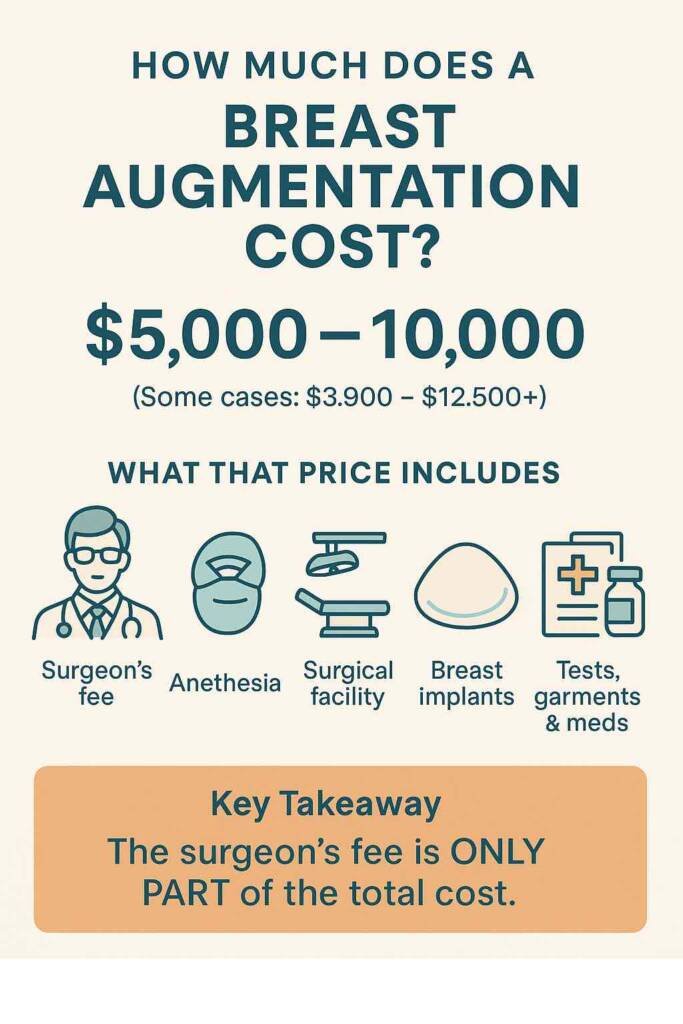
Breast implants typically cost between $5,000 and $10,000, though total expenses range from $3,900 to over $12,500. The surgeon’s fee averages $4,875 according to the American Society of Plastic Surgeons, but this represents just one component of your investment.
How Much Does a BooB Job Actually Cost?
Understanding your total investment requires examining all components beyond the surgeon’s fee.
Cost Components:
- Surgeon’s fee: $4,300 (average)
- Anesthesia: $800–$1,500
- Facility fees: $1,000–$2,000
- Breast implants: $1,000–$2,500
- Medical tests: $300–$800
1. Plastic Surgeon’s Fee
The surgeon’s fee covers the procedure, pre-operative consultations, and initial follow-up visits—but excludes facility costs and anesthesia. Board-certified plastic surgeons with extensive experience typically charge 20–30% above market averages due to proven expertise and specialized training.
Fee Range by Experience:
- New practitioners: $3,000–$4,000
- Experienced surgeons: $4,000–$6,000
- Highly specialized: $6,000–$10,000+
Surgeons who have performed thousands of successful augmentations generally charge more than those with limited experience. High-demand areas with fewer qualified surgeons see higher pricing due to supply and demand factors.
2. Anesthesia Costs
General anesthesia is required for breast implant surgery, costing $800 to $1,500 depending on provider type and surgery duration. Board-certified anesthesiologists typically command higher fees than certified registered nurse anesthetists (CRNAs), though both provide safe, professional care. Longer, more complex procedures result in higher anesthesia fees.
3. Facility Fees
Facility fees range from $1,000 to $2,000 per hour of surgery time. These charges cover operating room rental, medical equipment, support staff, sterile supplies, recovery services, and post-operative monitoring.
An accredited surgery center generally charges higher fees than office-based suites but provides enhanced safety protocols and emergency preparedness. Some surgeons exclusively use hospital operating rooms, prioritizing access to comprehensive emergency resources. While hospital-based procedures carry higher facility fees, patients benefit from full-service medical infrastructure.
Some facilities offer package deals bundling multiple services. Comprehensive packages typically include the surgeon’s fee, facility charges, anesthesia, implants, laboratory work, and follow-up appointments in one transparent price, eliminating surprise costs. Itemized billing may appear lower initially but can increase substantially once all components are added.
4. Type of Breast Implant Costs
The type of implant significantly influences total augmentation cost. Each selection offers distinct advantages in feel, appearance, and longevity.
Saline Implants: Budget-Friendly Option
Saline implants offer the most affordable augmentation option. These consist of silicone shells filled with sterile salt water after placement, allowing smaller incisions.
Complete procedures using saline breast implants range from $3,000 to $5,500. The implants cost approximately $1,000 per pair. Manufacturers typically charge a single price for all standard sizes, whether 200cc or 600cc.
Choosing larger implants generally doesn’t increase implant cost, though surgical complexity may occasionally affect surgeon fees. Surgeons can adjust saline volume during or after the procedure, offering unique flexibility. Patients select from various profiles—low to high projection—to achieve desired breast shape.
Higher projection profiles create prominent cleavage fullness, while lower profiles offer subtler appearance. Profile selection typically doesn’t affect cost.
If rupture occurs, the body safely absorbs the saline solution. However, saline implants may feel less natural than other options, particularly in patients with minimal natural breast tissue.
Silicone Implants: Premium Natural Feel
Silicone implants command premium pricing due to pre-filled gel composition and natural feel. These closely mimic natural breast tissue in feel and movement.
Complete procedures using silicone breast implants range from $4,500 to $10,000. The implants alone cost approximately $2,000 per pair—double the cost of saline alternatives. This reflects advanced silicone gel technology and manufacturing complexity.
Patients select from various firmness levels. Firmer options create fuller, perkier appearance, while softer varieties produce natural teardrop contour. Most patients find silicone implants warrant their $1,000 premium over saline.
These implants require regular monitoring through MRI or ultrasound screening. The FDA recommends first screening at 5–6 years post-surgery, then every 2–3 years thereafter. These imaging studies cost $500 to $2,000 per scan and help detect silent ruptures that aren’t externally visible. The gel doesn’t absorb into the body if leakage occurs, necessitating prompt surgical removal.
Cohesive Gel (Gummy Bear) Implants: Premium Standard
Cohesive gel implants—commonly called “gummy bear” implants—represent the premium tier. These form-stable implants maintain their shape even if the outer shell breaks, preventing migration of contents.
Complete procedures range from $6,000 to $12,000. Higher manufacturing costs and specialized surgical techniques contribute to elevated pricing. The implants require precise pocket creation and positioning.
Surgeons place implants either subglandular (between breast tissue and chest muscle) or submuscular (under chest muscle). Submuscular placement provides additional coverage and support that may benefit certain patients.
The implants offer superior longevity and reduced risk of complications such as rippling or capsular contracture. Many surgeons consider them the gold standard. Patients with minimal natural breast tissue particularly benefit from cohesive gel implants.
5. Medical Tests, Garments, Follow Up & Medication
Beyond surgeon fees and implants, numerous additional costs can significantly increase total investment.
Pre-operative testing adds $200 to $500 to total cost. These tests typically include blood work, EKGs, and medical clearance from your primary care physician. Mammography or breast imaging may be required before surgery, especially for patients over 40.
Post-operative care involves several mandatory purchases. Specialized surgical bras cost $50 to $200 and must be worn for weeks during recovery. These garments differ significantly from regular bras and cannot be substituted.
Prescription medications for pain management and infection prevention range from $100 to $300. Pain medications, antibiotics, and anti-nausea drugs are typically prescribed for the first week. Some patients require temporary drainage tubes following surgery to prevent fluid accumulation.
Massage tools or scar treatment products may be recommended. Daily breast massage during the initial two weeks can promote healing and proper implant positioning. Your surgeon will demonstrate proper technique during recovery appointments.
Cost Variables for Surgery
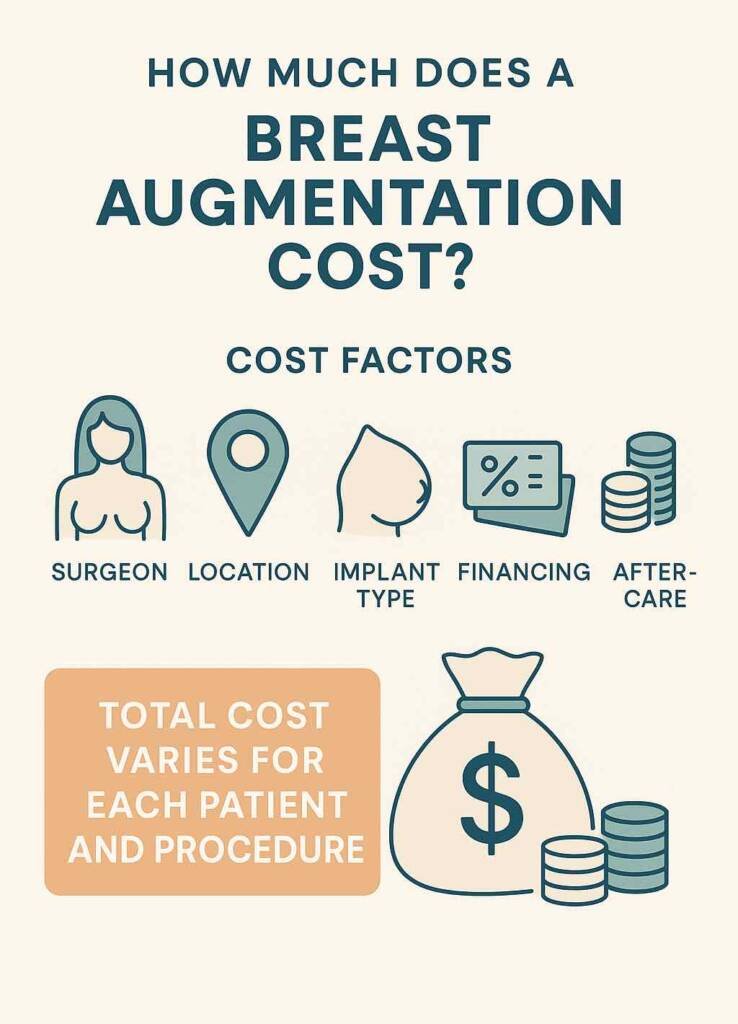
1. Regional Price Variations
Geographic location creates dramatic pricing variations. High-cost metropolitan areas like New York City and Los Angeles feature prices 50–100% higher than smaller markets, with some procedures reaching $20,000 or more. States with lower overhead costs offer procedures starting around $4,000.
Regional averages demonstrate significant differences. Alabama averages $6,600, while coastal markets like California, New York, and Massachusetts typically exceed $8,800. Mid-range states including Arizona and Florida average $7,700 to $8,250.
Cost of living directly impacts surgical fees. Expensive markets require higher overhead for office rent, staff salaries, and malpractice insurance—costs passed to patients. Regional demand affects pricing substantially.
Medical tourism destinations within the United States often offer competitive pricing. States like Florida and Texas attract patients with quality care at reduced costs. Miami has emerged as a premier destination, combining world-class surgical expertise with competitive pricing and beautiful recovery location convenience.
International Price Comparisons
International markets offer substantially lower prices, though patients must carefully weigh several considerations.
Popular Medical Tourism Destinations:
- Mexico: $3,000–$6,000
- Thailand: $3,500–$5,500
- Turkey: $2,500–$4,500
- Costa Rica: $4,000–$6,500
- United Kingdom: $8,000–$12,000
- Eastern Europe: $4,000–$7,000
2. Practice Reputation
Elite cosmetic surgery practices command premium pricing through reputation and exclusivity. Celebrity surgeons and high-profile clinics often charge 2–3 times standard market rates. Boutique practices led by highly experienced surgeons often set fees above national averages while focusing on customized care and advanced techniques.
Hospital-based procedures typically cost more than outpatient surgical centers. Accredited centers meeting standards set by organizations like the American Association for Accreditation of Ambulatory Surgery Facilities may charge premium facility fees but provide enhanced safety protocols. Specialized breast augmentation practices may charge premium rates.
Surgeons focusing exclusively on breast procedures often justify higher costs through specialized expertise and superior results. Practice marketing investments influence pricing structures. Surgeons investing heavily in advertising and luxury facilities often incorporate these costs into patient fees.
3. Recovery Considerations
Follow-up appointments are usually included in the surgeon’s fee. While most breast augmentations are outpatient procedures, some patients may require overnight hospital observation depending on specific medical circumstances or surgery complexity. If overnight care becomes necessary, these facility charges will add to total expenses.
Patients living far from their surgeon may face additional travel costs for mandatory post-operative visits. Non-dissolvable stitches require removal after one to two weeks at a follow-up appointment. Surgeons increasingly use dissolvable sutures that eliminate this additional visit.
Most patients with desk jobs can return to work within one to two weeks following breast surgery, while those in physically demanding positions may require three to four weeks off. Self-employed individuals should budget for potential income loss during recovery, as reduced productivity and fatigue are common during initial weeks following surgery.
4. Travel and Accommodation
Patients traveling to different cities for breast augmentation face significant additional costs. Hotel accommodations for recovery periods typically require 3 to 5 nights at $100 to $300 per night.
Transportation costs include airfare or gas, rental cars, and ground transportation. Flying patients must consider restrictions on lifting luggage and extended travel times due to recovery limitations. Companion expenses often double accommodation and meal costs.
Most surgeons require patients to have assistance during the first 24 to 48 hours after surgery. Out-of-state patients may need extended stays for follow-up appointments. Complications requiring immediate attention can result in unplanned additional travel expenses.
5. Revision Surgery and Implant Replacement
Breast implants are not lifetime devices. Most modern implants maintain integrity for 10 to 20 years before requiring replacement. Regular monitoring through scheduled checkups and imaging can detect potential issues early, allowing patients to plan for eventual revision surgery rather than facing emergency procedures.
Replacement surgery costs $3,000 to $8,000, representing a significant long-term financial commitment. Capsular contracture affects 10 to 15 percent of patients within the first decade. Correcting this complication requires additional surgery costing $4,000 to $10,000.
Size changes or aesthetic revisions occur in approximately 20 percent of cases. Patients may desire larger or smaller implants, different shapes, or improved positioning after healing. Revision procedures typically cost 60 to 80 percent of the original surgery fee.
Implant warranty affects long-term value. Premium implants often include lifetime replacement warranties that protect against future costs.
Financing YourSurgery
Some practices allow patients to gradually pay toward their procedure total before surgery day, similar to a layaway approach. This option enables weekly or monthly installments until the full amount is satisfied, providing flexibility without incurring financing interest charges.
Building a dedicated savings account specifically for your procedure allows you to accumulate funds gradually over time. This approach eliminates interest charges entirely and gives you full financial control, though it requires advance planning and disciplined saving before scheduling your surgery date.
Medical Financing Options
Specialized healthcare financing programs allow patients to structure payments over time, making procedures more accessible while avoiding full upfront payment. Medical credit options like CareCredit provide promotional periods with zero-percent interest, typically ranging from six to twenty-four months. Interest rates depend on individual credit history, with some lenders currently offering zero-percent promotional rates to qualified applicants.
However, patients should carefully review terms, as interest rates can increase substantially if the balance isn’t paid within the promotional window. Patients should apply to only one financing company at a time, as multiple simultaneous credit inquiries can negatively impact credit scores and approval odds.
Other financing alternatives include personal loans through banks or credit unions, in-house payment arrangements offered by select practices, or using rewards credit cards that can be paid off quickly to avoid interest charges. Comparing multiple financing options helps patients identify the most cost-effective approach for their specific financial circumstances.
Planning your payment strategy early helps ensure a smooth surgical experience without financial stress on the day of your operation.
Are Breast Implants Covered by Health Insurance?
Unlike purely cosmetic breast augmentation, certain procedures may qualify for insurance coverage. Breast reconstruction following mastectomy typically receives coverage under federal legislation, though patients should verify specific policy details and potential out-of-pocket expenses like copays and deductibles with their provider.
Breast reductions addressing documented physical health issues may also qualify depending on your specific insurance policy. Patients should verify their coverage terms directly with their insurance provider before scheduling any procedure. Insurance rarely covers revision surgeries unless medical complications arise.
Cost Trends and Market Factors
Breast augmentation costs have increased steadily over the past five years. Inflation and increased demand have driven average prices upward, with costs rising steadily since 2020. The largest increases occurred between 2021–2022 due to pandemic-related supply chain issues. The American Society of Plastic Surgeons reports over 300,000 breast augmentation procedures performed annually.
Recent Cost Evolution:
- 2020: $4,000 average surgeon fee
- 2023: $4,200 average surgeon fee
- 2025: $4,300 average surgeon fee
Premium implant options have gained popularity, pushing average total costs higher. Gummy bear and teardrop implants have gained increasing popularity as patients seek form-stable options with superior longevity. Many practices now offer payment plans and medical credit options, making procedures more accessible despite rising costs.
Price Reporting Variations
Fee reporting varies across organizations. The American Society of Plastic Surgeons reports surgeon fees average $4,875 in 2025, while the American Society of Aesthetic Plastic Surgery places the average at $4,617. Patient-reported costs through review platforms like RealSelf show wider ranges from$3,900 to $12,500, though these figures may reflect inconsistent reporting of whether total procedure costs or surgeon fees alone were included.
Safety and Quality Considerations
Patients should approach unusually low advertised prices with caution. Promotional offers significantly below market averages may indicate surgeons lacking proper board certification, hidden fees not disclosed upfront, or compromised safety standards.
Conducting thorough research on surgeon credentials and understanding complete pricing structures protects both your health and financial investment.
Making an Informed Decision
Choosing breast augmentation requires careful evaluation of both financial and safety considerations. The decision extends beyond comparing price quotes to examining surgeon qualifications and understanding the complete value proposition.
The lowest price rarely represents the best value. Patients should examine what each cost includes and excludes. A comprehensive evaluation includes the surgeon’s experience level, facility accreditation, and included aftercare services.
Key Value Factors:
- Surgeon’s revision policy
- Quality of implants used
- Follow-up appointments included
- 24/7 support availability
Patients should request itemized pricing from multiple surgeons. This allows accurate comparison of total costs rather than misleading partial quotes.
Verifying Credentials and Safety
Safety considerations significantly impact both immediate and long-term costs. A board-certified plastic surgeon provides specialized training in breast augmentation techniques and safety protocols. Certification through the American Board of Plastic Surgery requires extensive training beyond general surgery.
Essential Credentials to Verify:
- Board certification in plastic surgery
- Hospital privileges for the procedure
- Accredited surgical facility
- Professional liability insurance
Non-certified practitioners may offer lower prices but increase risks of complications requiring costly corrective procedures. Revision surgeries typically cost $8,000 to $15,000.
The surgical facility must maintain proper accreditation from organizations like the American Association for Accreditation of Ambulatory Surgery Facilities. This ensures safety equipment and protocols meet medical standards.
Patients should review before-and-after photos and speak with previous patients when possible. This provides insight into both aesthetic outcomes and safety practices. Working with an experienced, board-certified plastic surgeon ensures you understand all costs upfront and receive transparent pricing tailored to your specific goals.
Schedule Your Free Consultation with Dr. K Miami
Ready to explore your breast augmentation options with transparent pricing and personalized care? Dr. Bart Kachniarz offers complimentary consultations where he’ll evaluate your anatomy, discuss your goals, and provide detailed cost breakdowns tailored to your specific needs.
Experience the difference of boutique plastic surgery with a Harvard Medical School and Johns Hopkins Hospital-trained surgeon dedicated to natural, beautiful results.